Understanding Fiber Laser Welding Machines with Robots
Introduction to Fiber Laser Welding Machines
Fiber laser welding machines represent a progressive shift in the welding industry. Utilizing fiber optics technology, these machines offer precise and efficient welding solutions. Unlike traditional welding processes, fiber laser welding is known for its ability to deliver high-quality welds with minimal heat input. It significantly reduces distortion and offers a clean finish, making it suitable for various applications.
Advantages of Integrating Robots
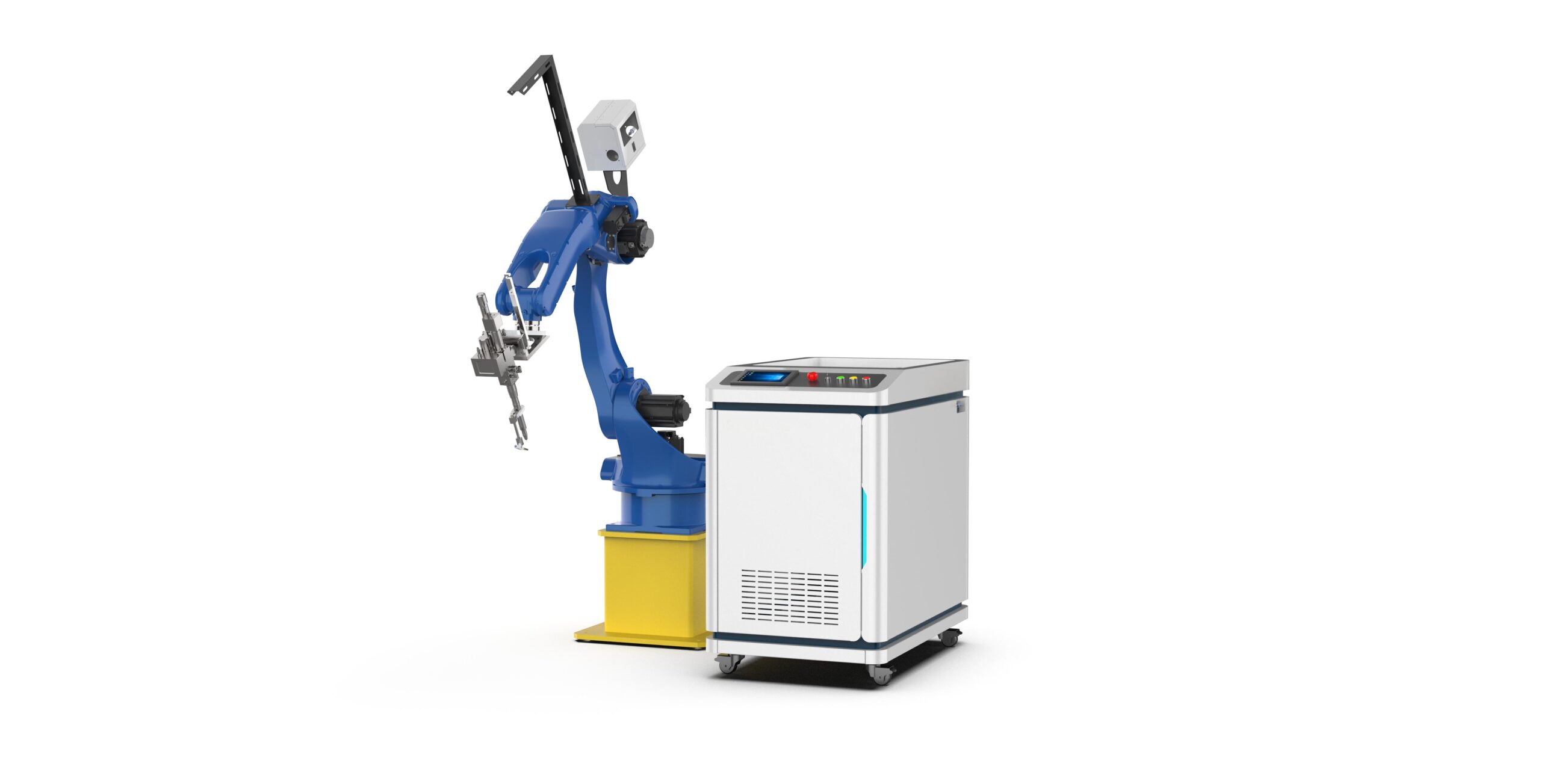
When paired with robotic systems, fiber laser welding machines enhance productivity and consistency in manufacturing processes. Robots can perform repetitive tasks with high accuracy, reducing the likelihood of human error. This integration not only speeds up welding operations but also allows for the welding of complex designs that are difficult to achieve manually. Furthermore, the adaptability of robots means that they can be programmed for different tasks, making them highly versatile for manufacturers.
Applications of Fiber Laser Welding Machines
These advanced welding systems are used across various industries, including automotive, aerospace, and electronics. For instance, in the automotive sector, they are employed to weld intricate components with precision. In electronics, fiber laser welding is crucial for assembling delicate parts without damaging sensitive components. As the demand for high-quality welding solutions continues to rise, the coupling of fiber laser welding machines with robotic automation is expected to become increasingly common.